 HongYang Tech
A reader asked whether an email demanding customs duty on behalf of the post office was genuine. It looked like phishing, which uses email or other messages to reach potential victims . Seemingly routine messages can contain false information used to steal sensitive data. Phishing also uses fake sites and social engineering to obtain money or information for further attacks.
We soon received copies of the email at several addresses. The small charge of NT$63 can make the notice seem harmless. The scam targets credit card details, and the examples below show what to look for.
The fraudulent email read:
Dear customer, your parcel could not clear customs on July 9, 2022, because NT$63 in duty remains unpaid. Please pay within three days or the parcel will be treated as unclaimed. Thank you.
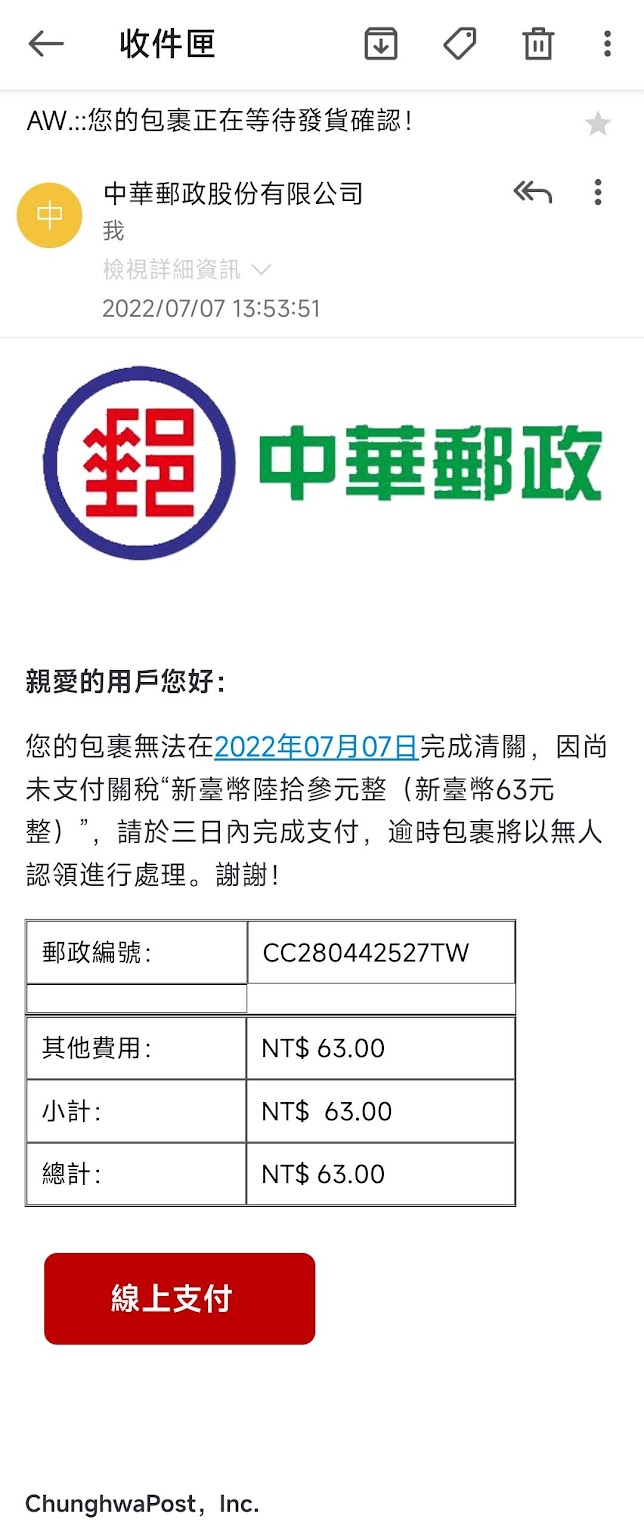
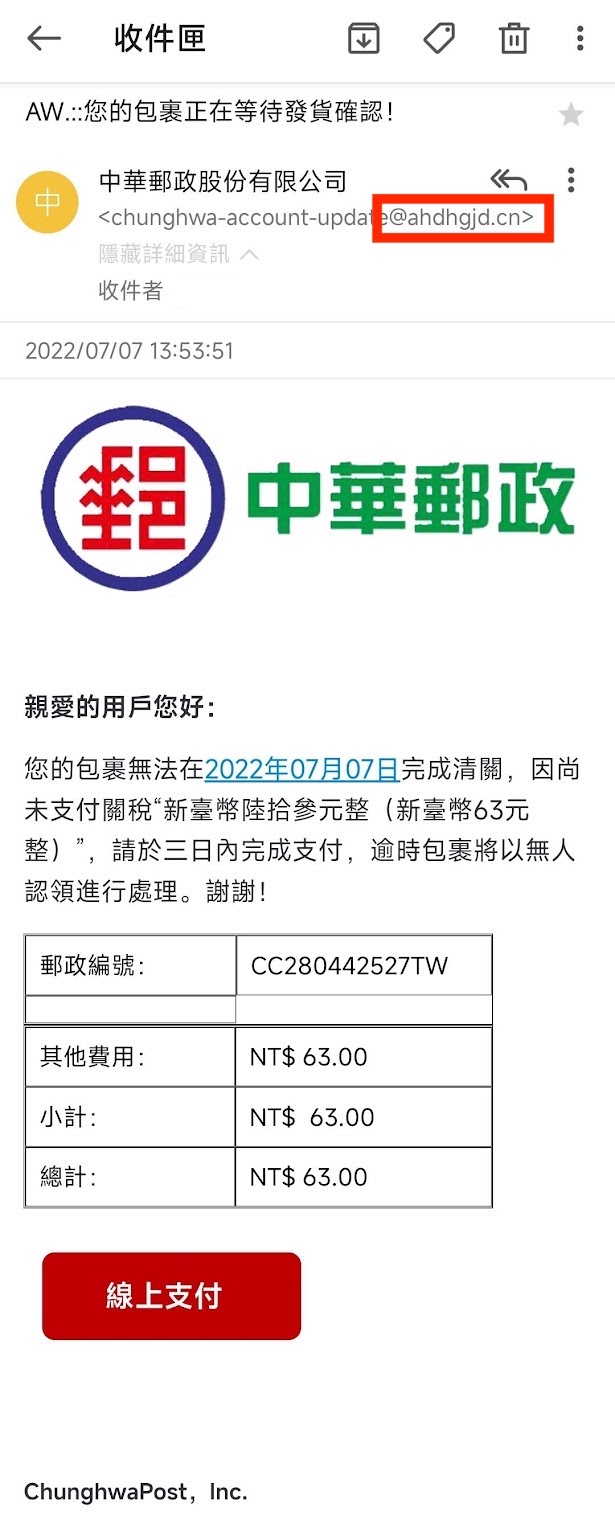
Examining the sender details revealed a domain associated with mainland China.
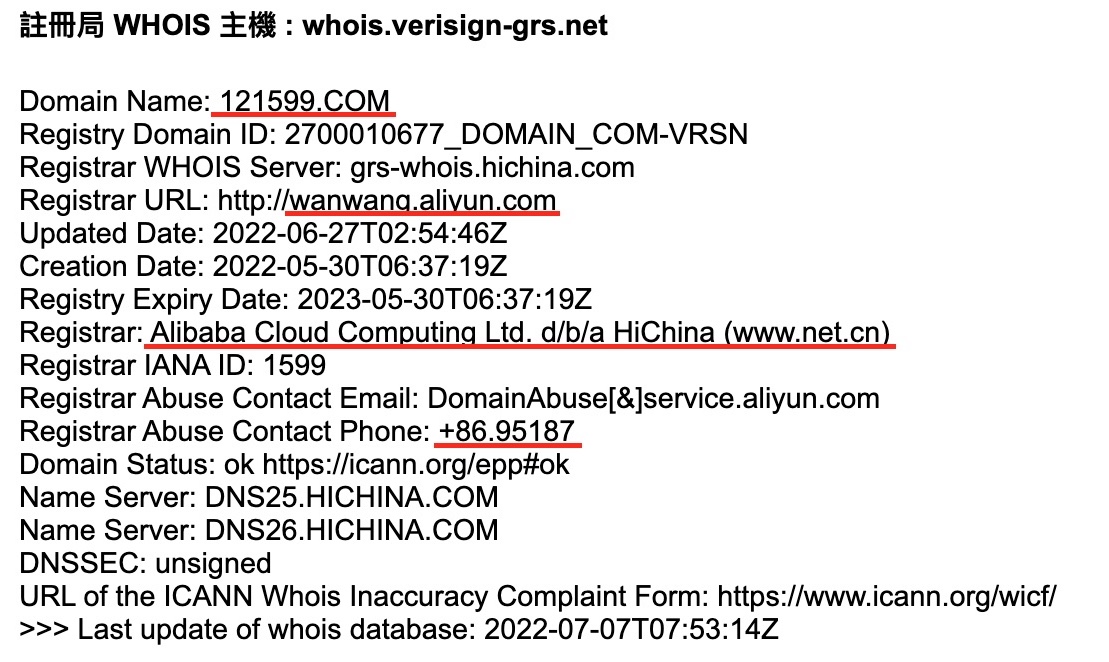
A public lookup showed that the sender's domain was registered through Alibaba.
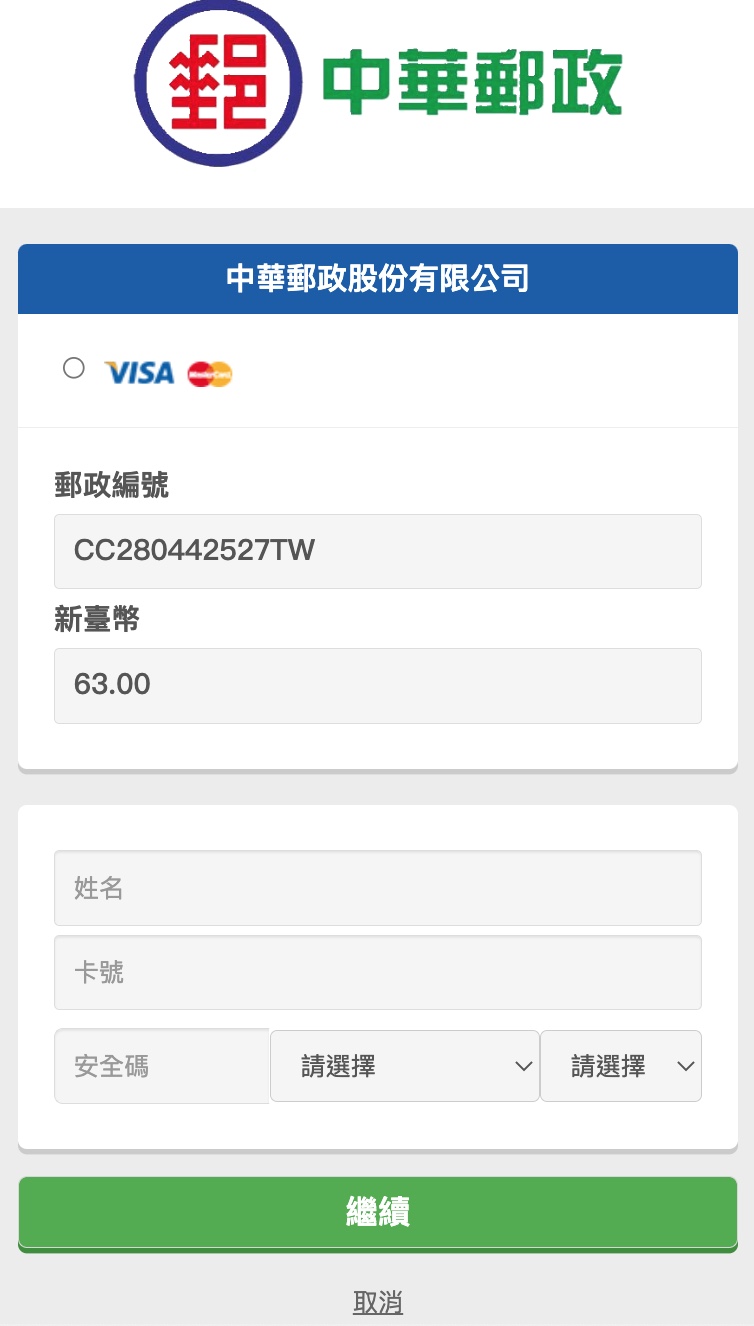
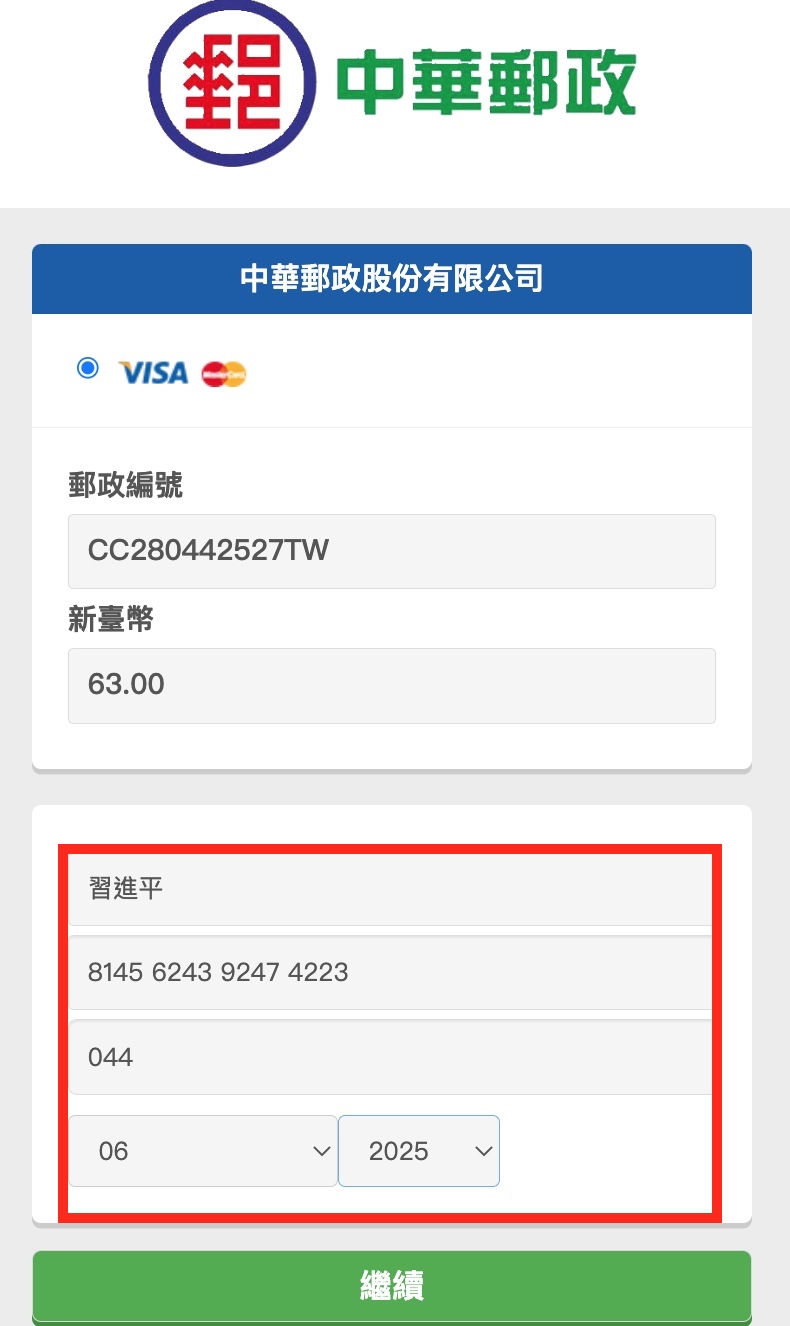
The payment link led to a form that accepted only credit cards. The vague field labels were another sign that the page was suspicious.
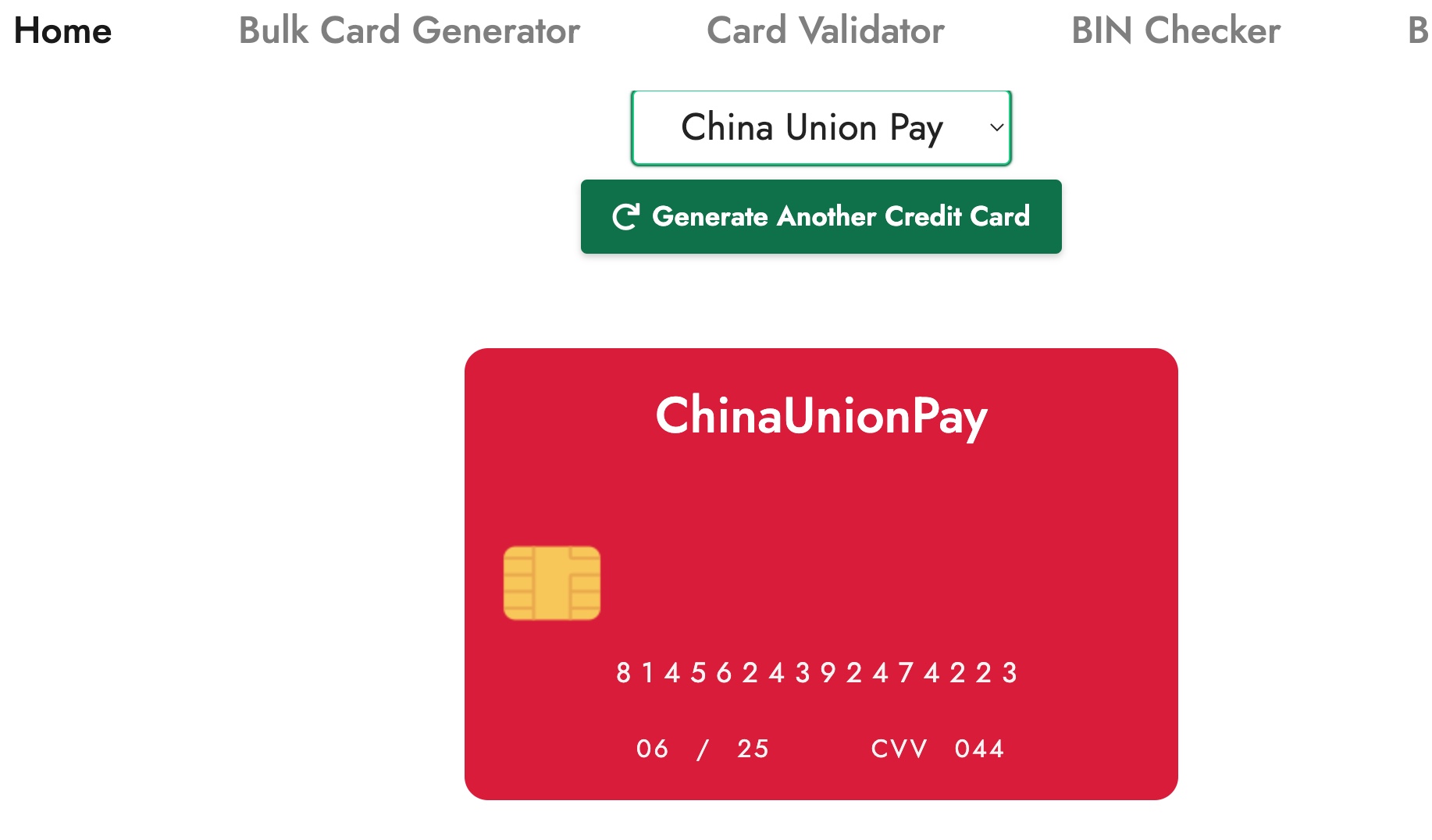
The original investigation tried sample UnionPay details to see how the form behaved.
The investigator used a fictitious payer name.
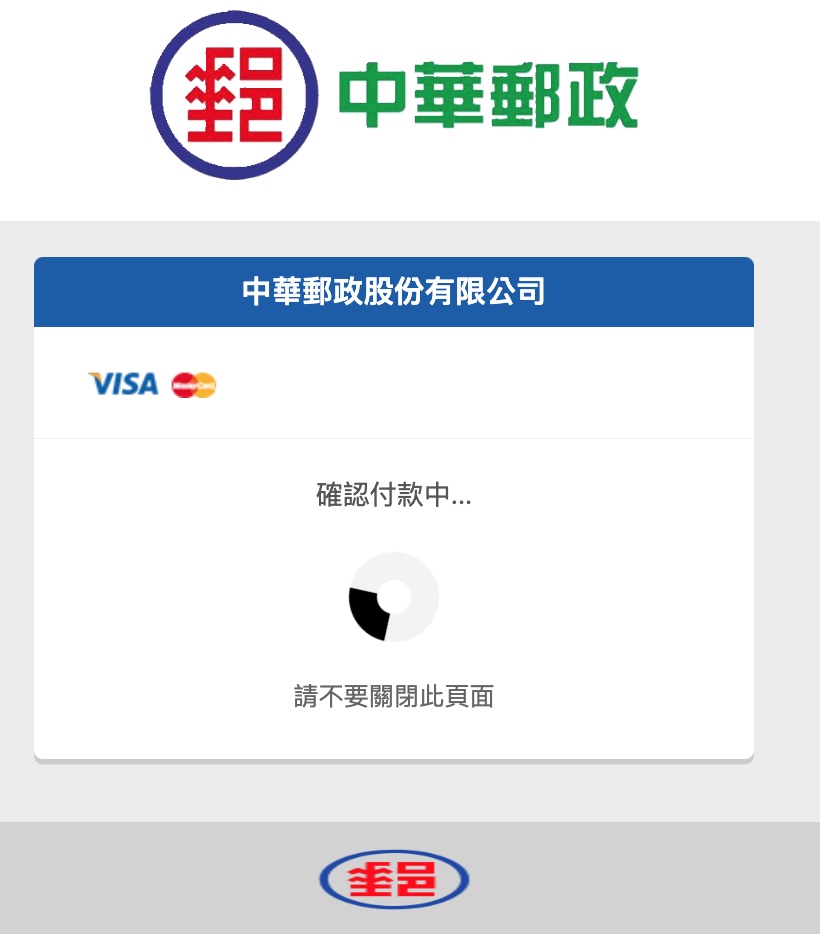
The site then showed a payment processing message.
Next, it asked for a one-time SMS code.
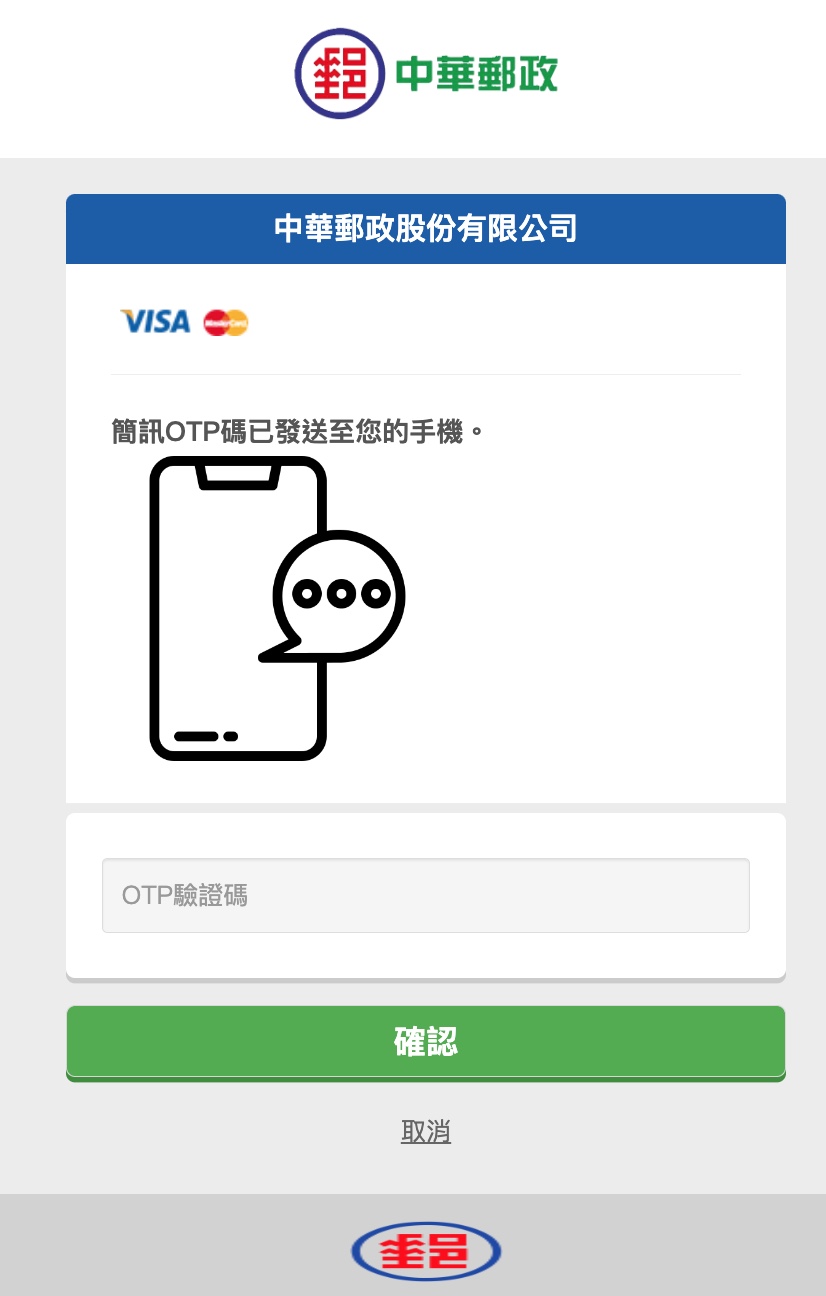
The investigator entered a sample verification code.
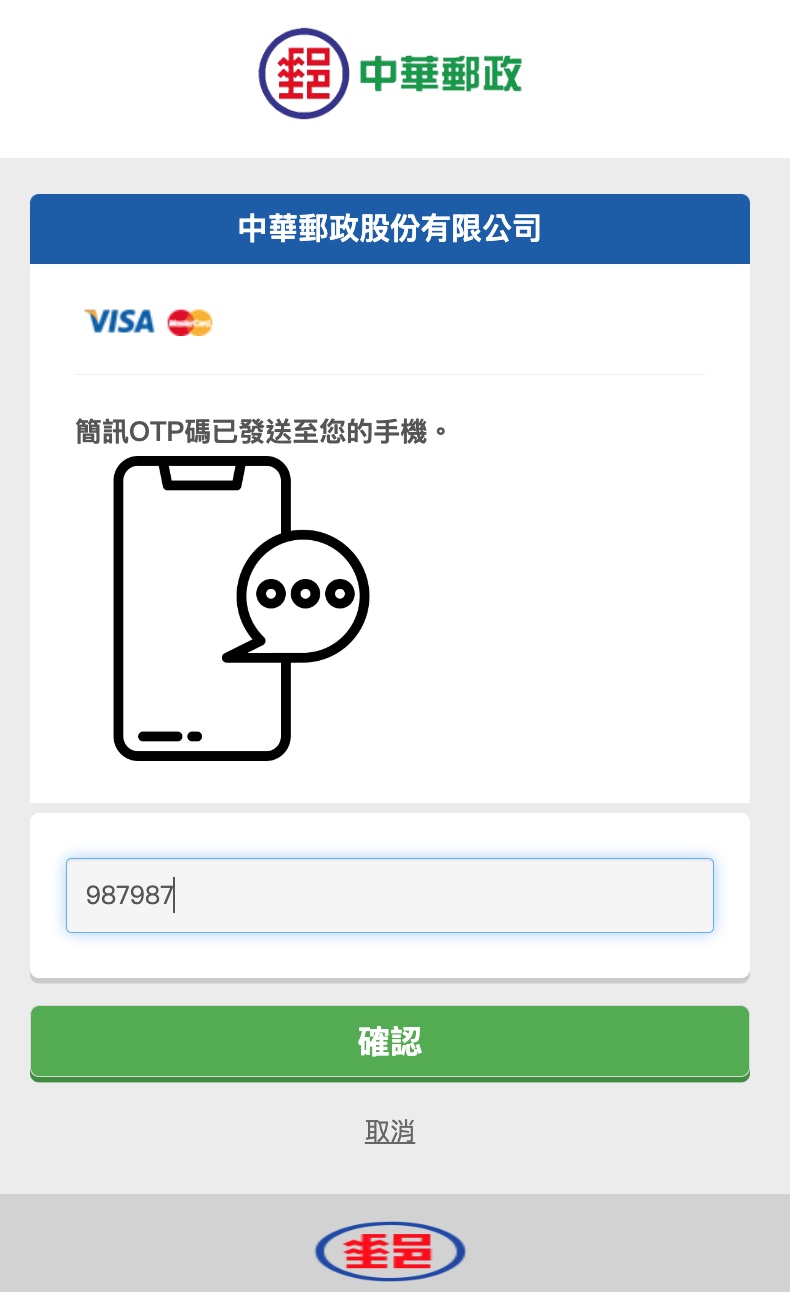
The site displayed a verification error.
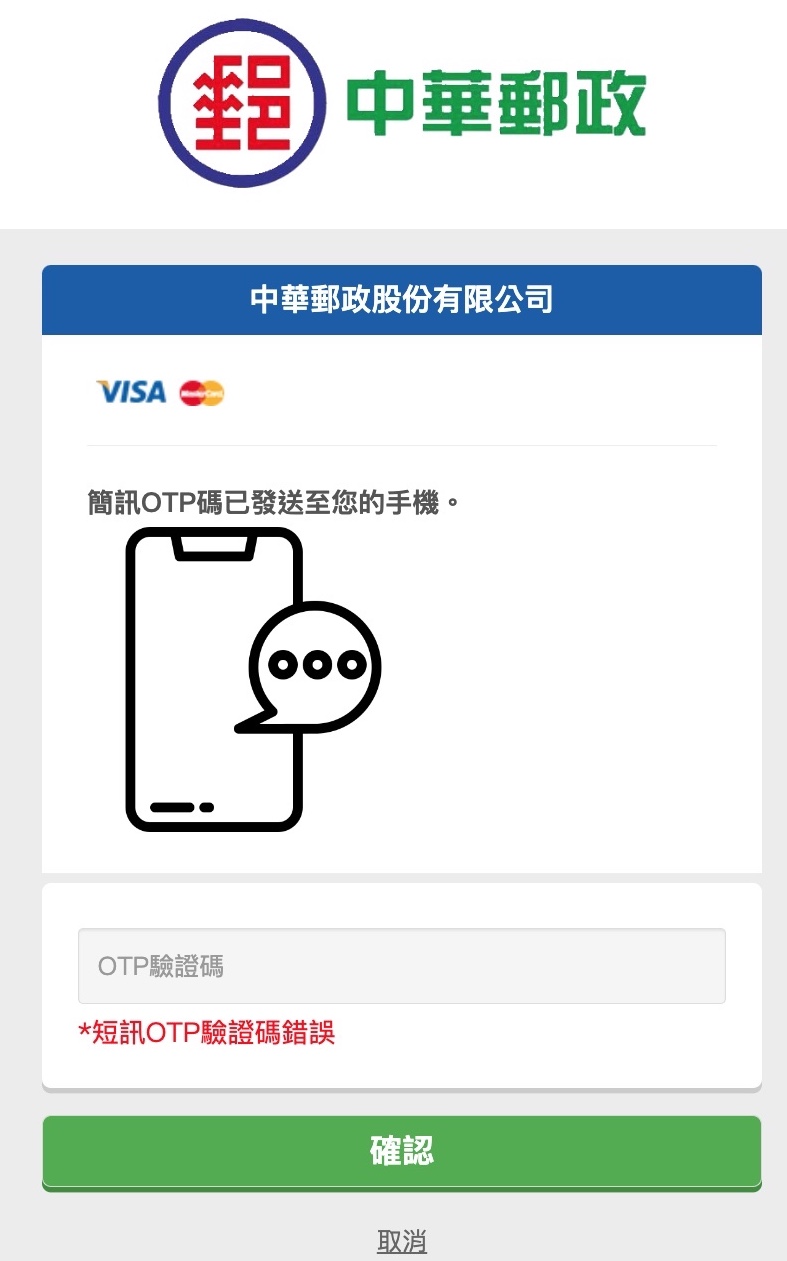
The investigator continued testing the page.
After several attempts, the site displayed a payment success screen for the fictitious payer.
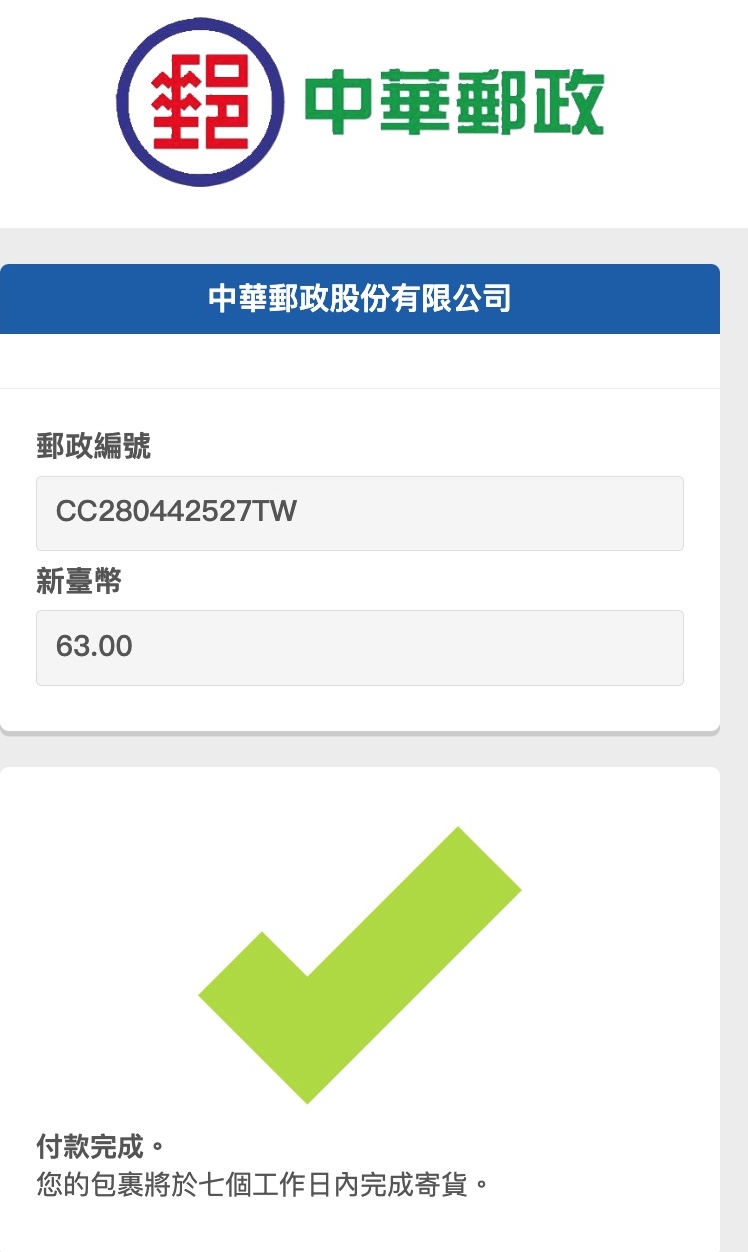
Finally, the fake site redirected to the real Chunghwa Post website to make the original notice seem legitimate.
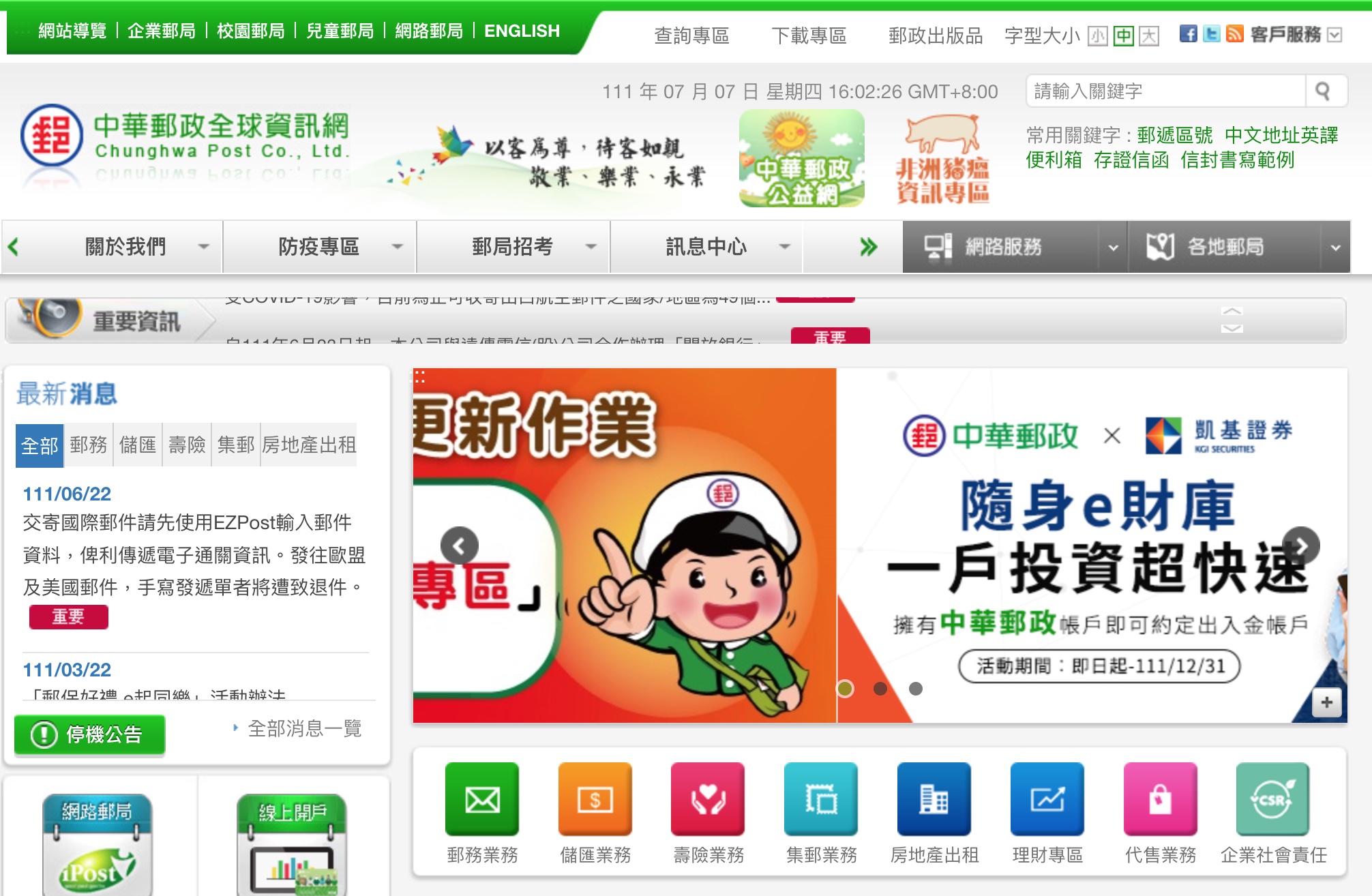
The web addresses throughout the interaction exposed the phishing attempt. This example documents the sequence to help readers recognize similar scams.